What is the difference between a sectional garage door and a roller shutter?
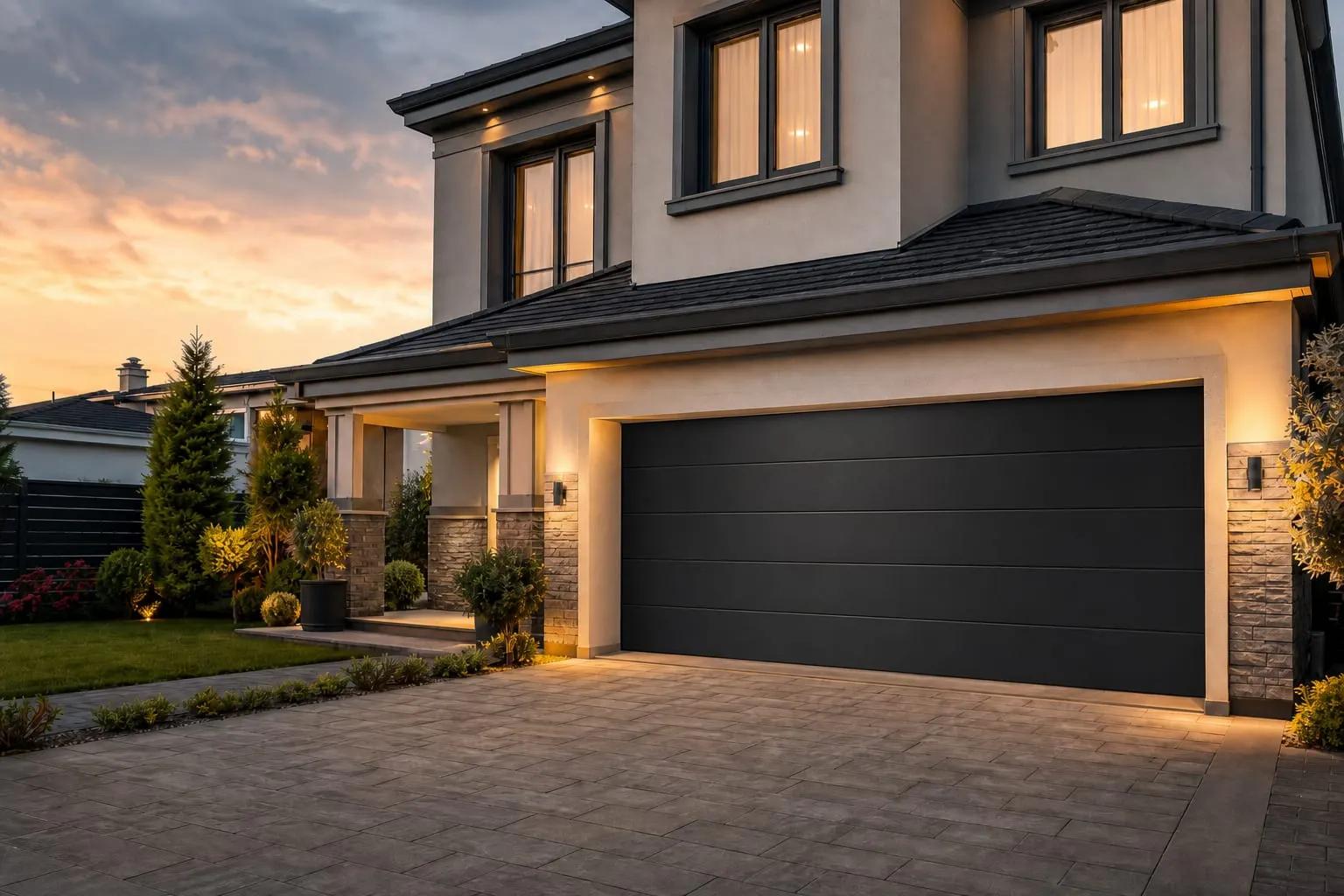
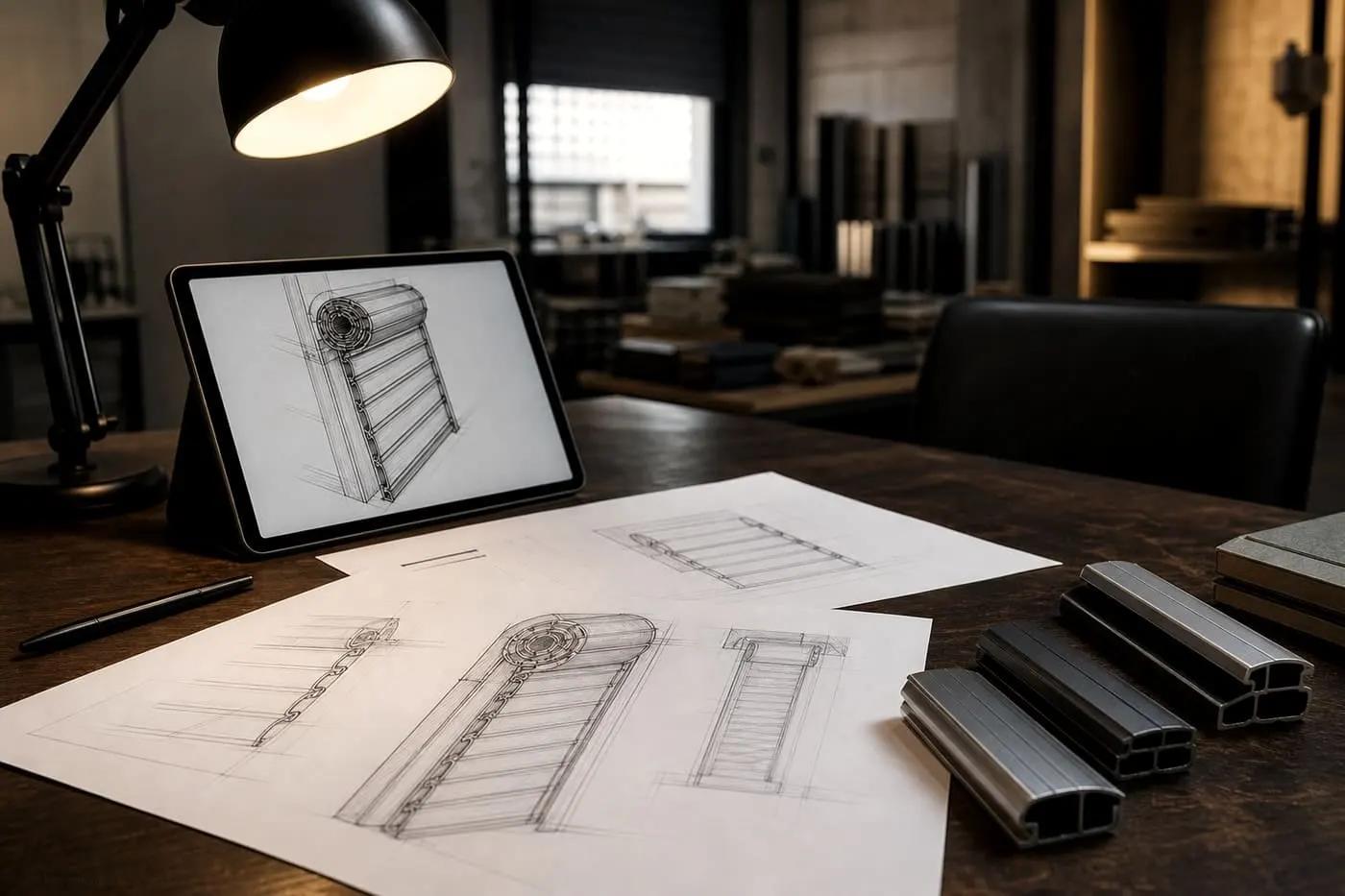
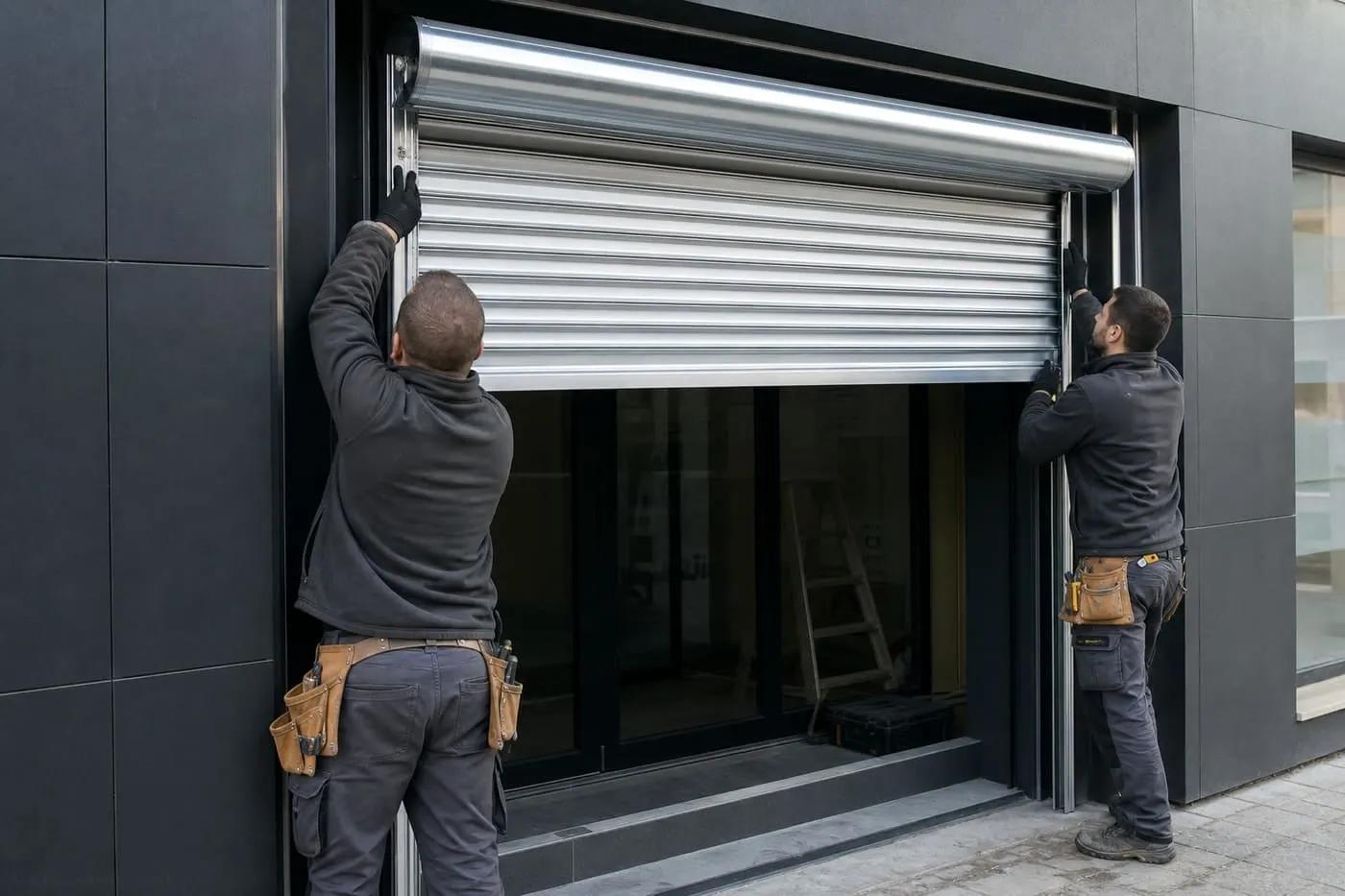
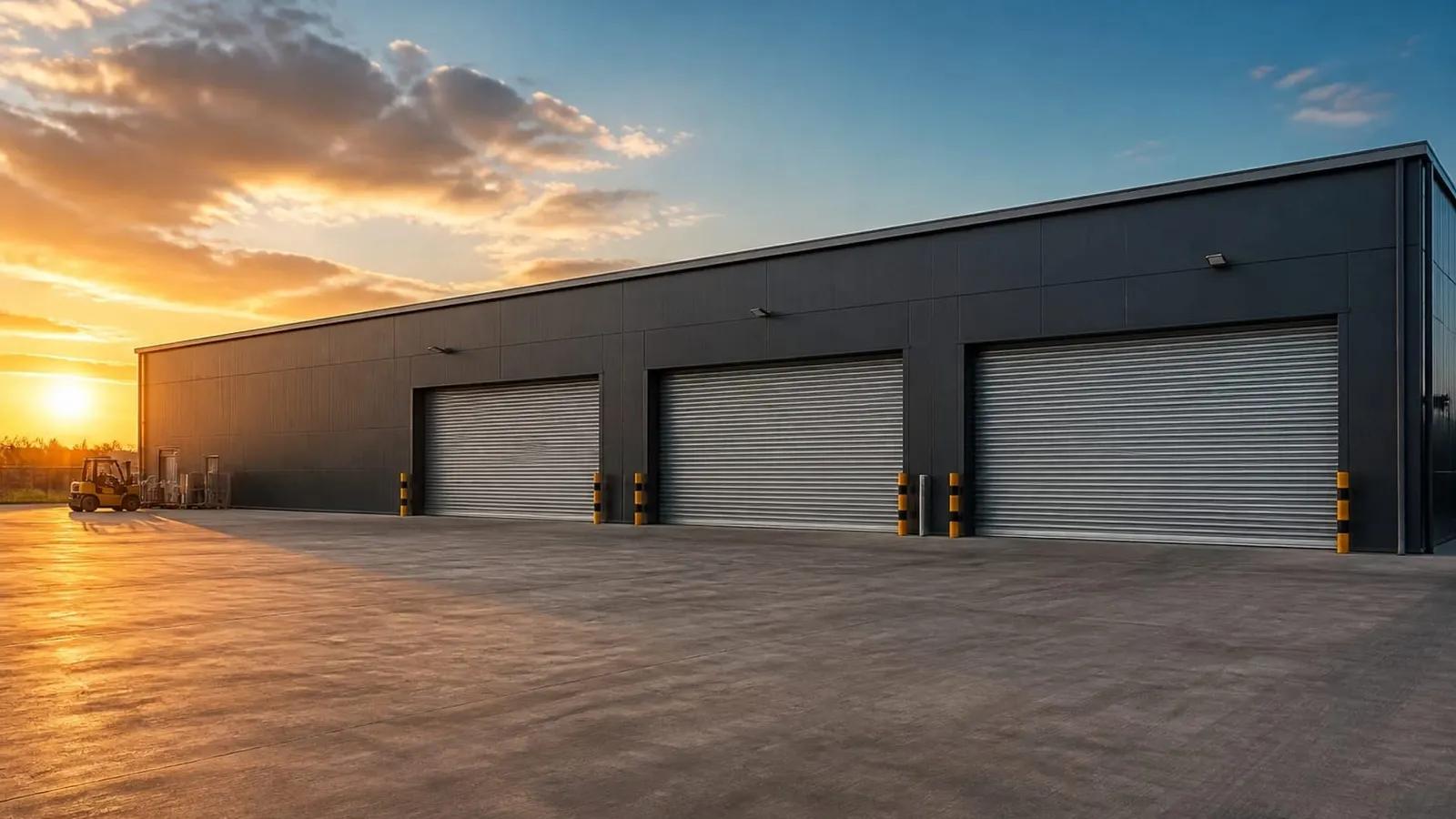
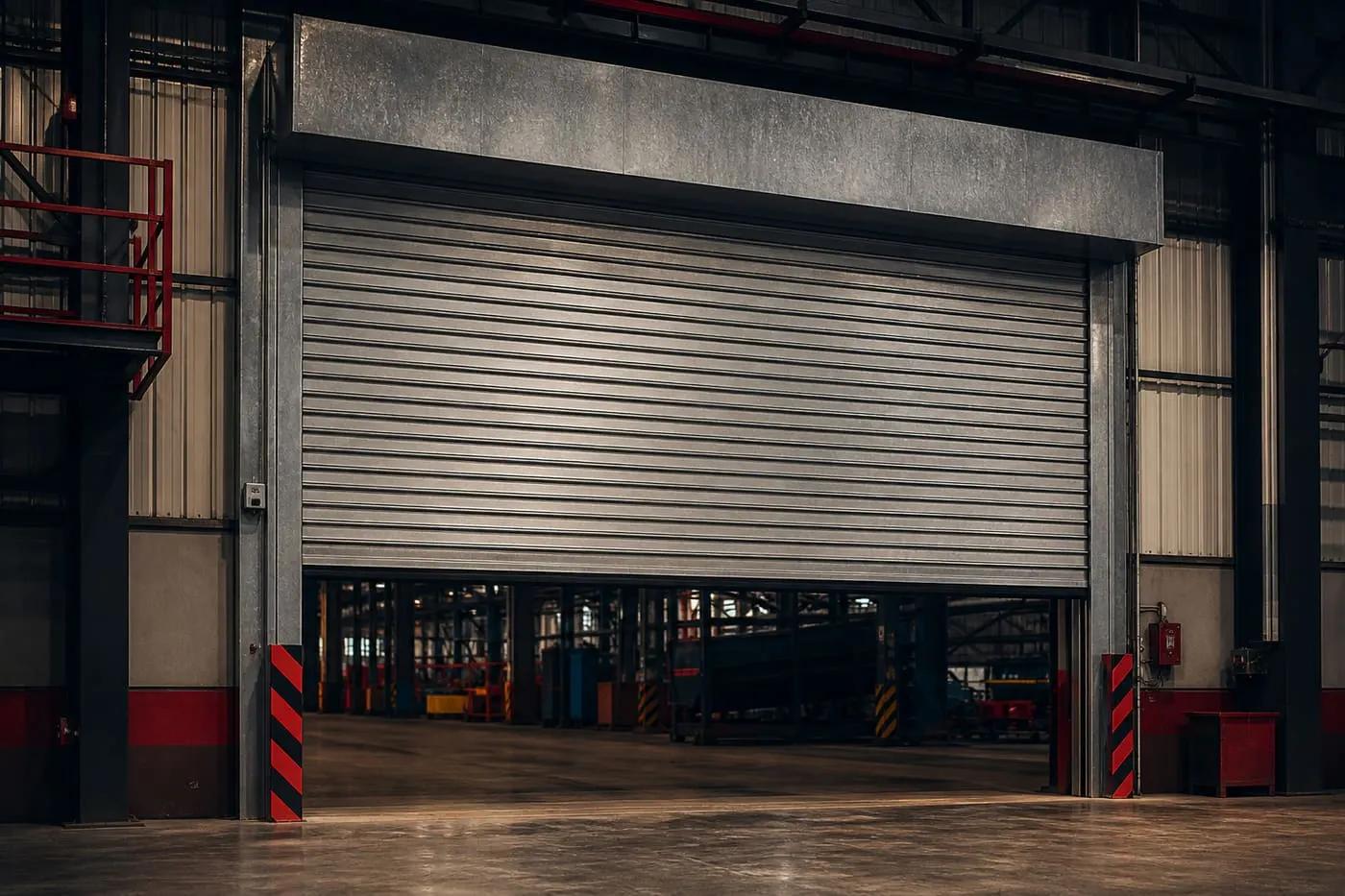
In a roller shutter, the slats coil around a barrel; in a sectional garage door, insulated panels park horizontally under the ceiling. A sectional garage door offers better insulation, quieter operation and a decorative appearance, while a roller shutter has the advantage in commercial openings that require higher impact resistance and minimal headroom. Sectional doors are generally preferred for homes and villas, and roller shutters for shops and warehouses.
How much headroom does a garage door need?
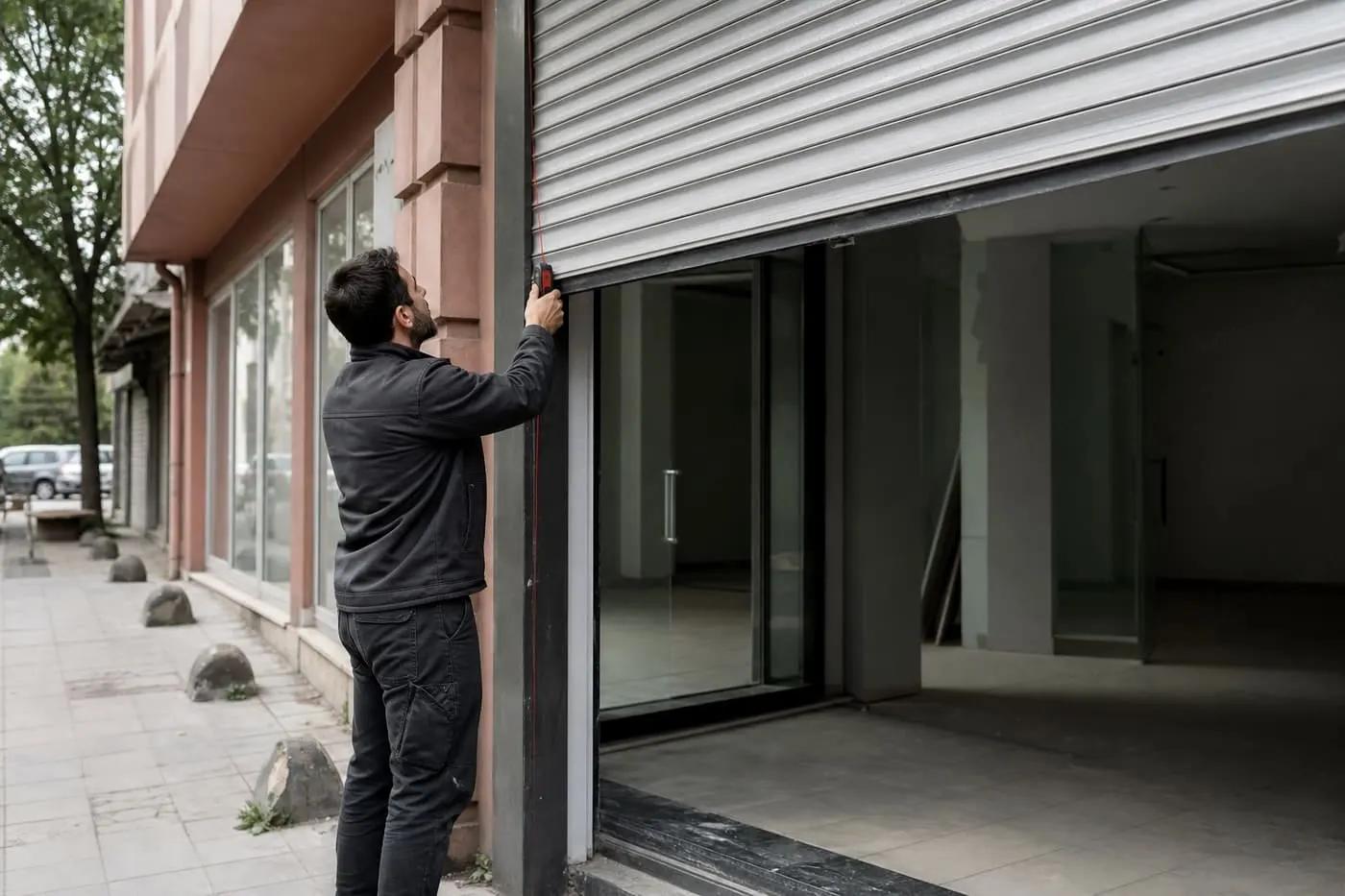
A standard lift sectional garage door needs approximately 350–400 mm of headroom, while a low-headroom lift requires less. The exact figure is measured during the site survey. About 100–150 mm of side room is also needed on each side. If headroom is insufficient, a low-headroom track system or a front lintel solution is used, and ceiling depth for the motor is checked separately.
What is a sectional door?
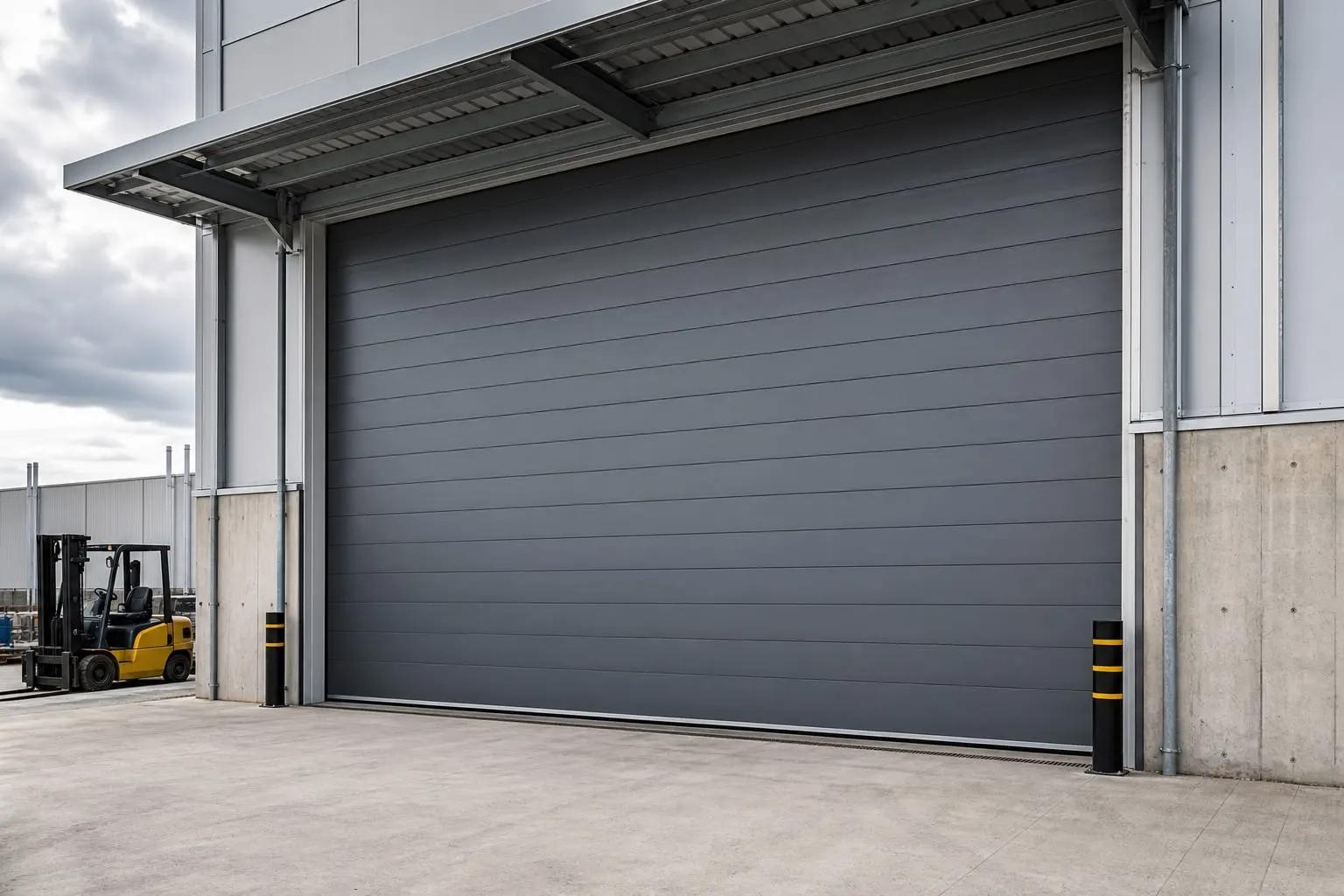
A sectional door is an automatic door made of hinged horizontal panels that open vertically and park horizontally under the ceiling. Its sandwich panel construction offers thermal and acoustic insulation, space saving and security. Sectional doors are used at factory, warehouse, logistics centre and car park entrances. Pack Door manufactures EN 13241-compliant sectional doors to measure with 42 mm or 60 mm panel options.
Which door is suitable for a factory entrance?
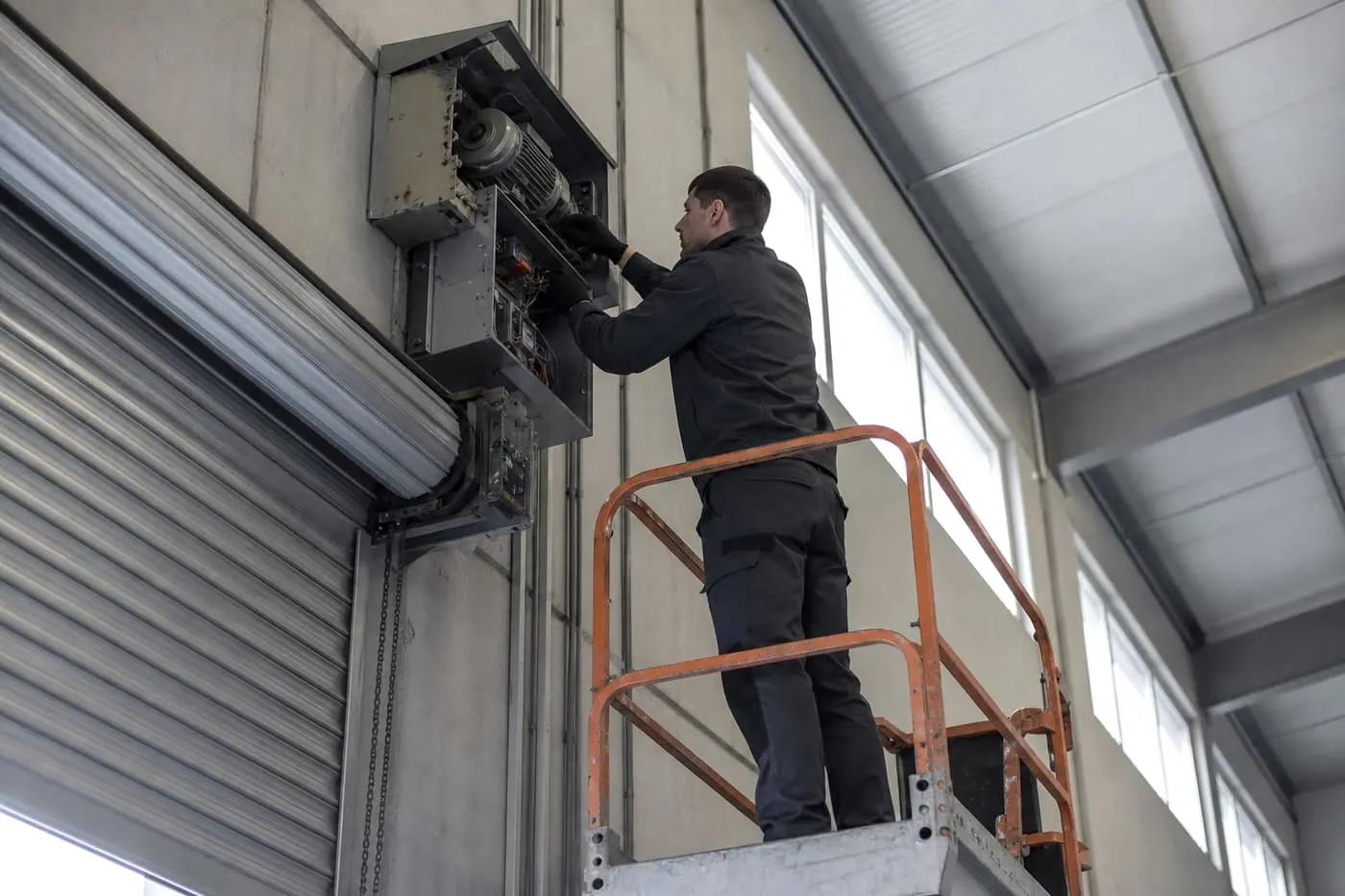
An industrial sectional door is the preferred choice for heavy forklift and truck traffic. It is configured with 42 mm panels, a robust spring system, photocells and a high cycle rating; for very frequent internal traffic it can be combined with a high speed PVC door. At loading points, the door is designed together with a hydraulic dock leveller and dock shelter.
What is a dock leveller?
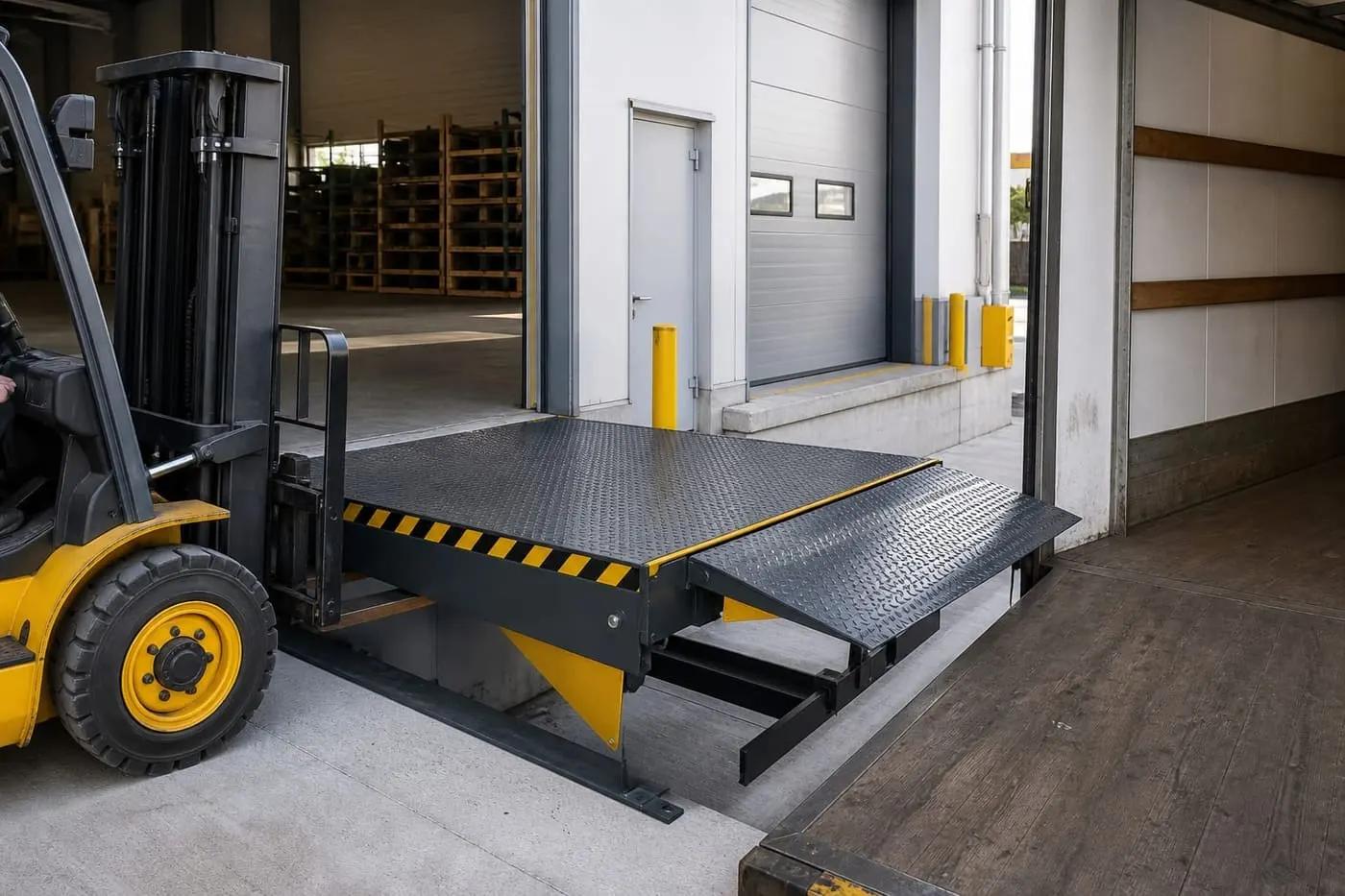
A dock leveller (loading ramp) is a hydraulic system that compensates for the height difference between a warehouse or factory loading platform and a truck bed, enabling safe forklift loading and unloading. It is available in hinged lip, telescopic lip and vertical types, and is usually installed together with a sectional door and dock shelter. The right leveller is chosen according to truck bed height, forklift load and the number of daily loadings.
Which type of dock leveller should I choose?
A hinged lip leveller suits standard loading pits, a telescopic lip suits distant truck beds and containers, and a vertical leveller suits areas where a pit cannot be built. A dock shelter is added for thermal and weather protection. Load capacity is usually selected in the 6–8 tonne range, and the decision is made during the site survey by measuring platform height and vehicle types.
What is a high speed PVC door?
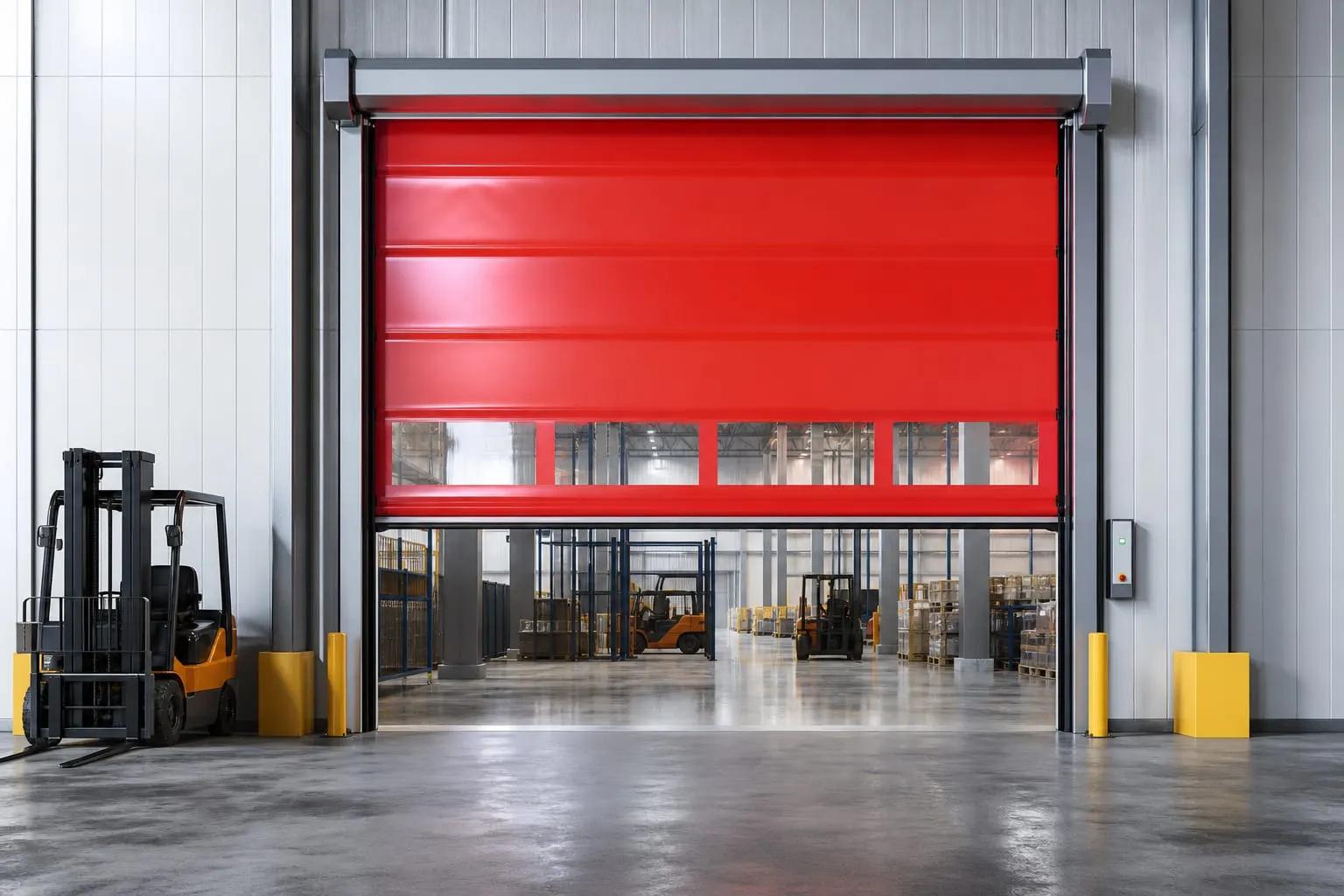
A high speed PVC door is an industrial door with a PVC curtain that opens and closes at high speed. It accelerates forklift and pedestrian traffic while controlling energy loss and dust. With opening speeds of up to 1–2 metres per second, it is widely used in food, pharmaceutical, logistics and cold storage facilities. Thanks to radar, photocells and a soft curtain, it protects itself on impact and re-engages its guides automatically.
What is the difference between a high speed PVC door and a roller shutter?
A roller shutter is a security closure that usually stays closed outside working hours. A high speed PVC door is a fast-acting air curtain that preserves the indoor climate on frequently used lines during the working day. Most facilities use both together, and they are planned jointly during the site survey based on traffic frequency and security needs.